
Keeping Things Out in the Open
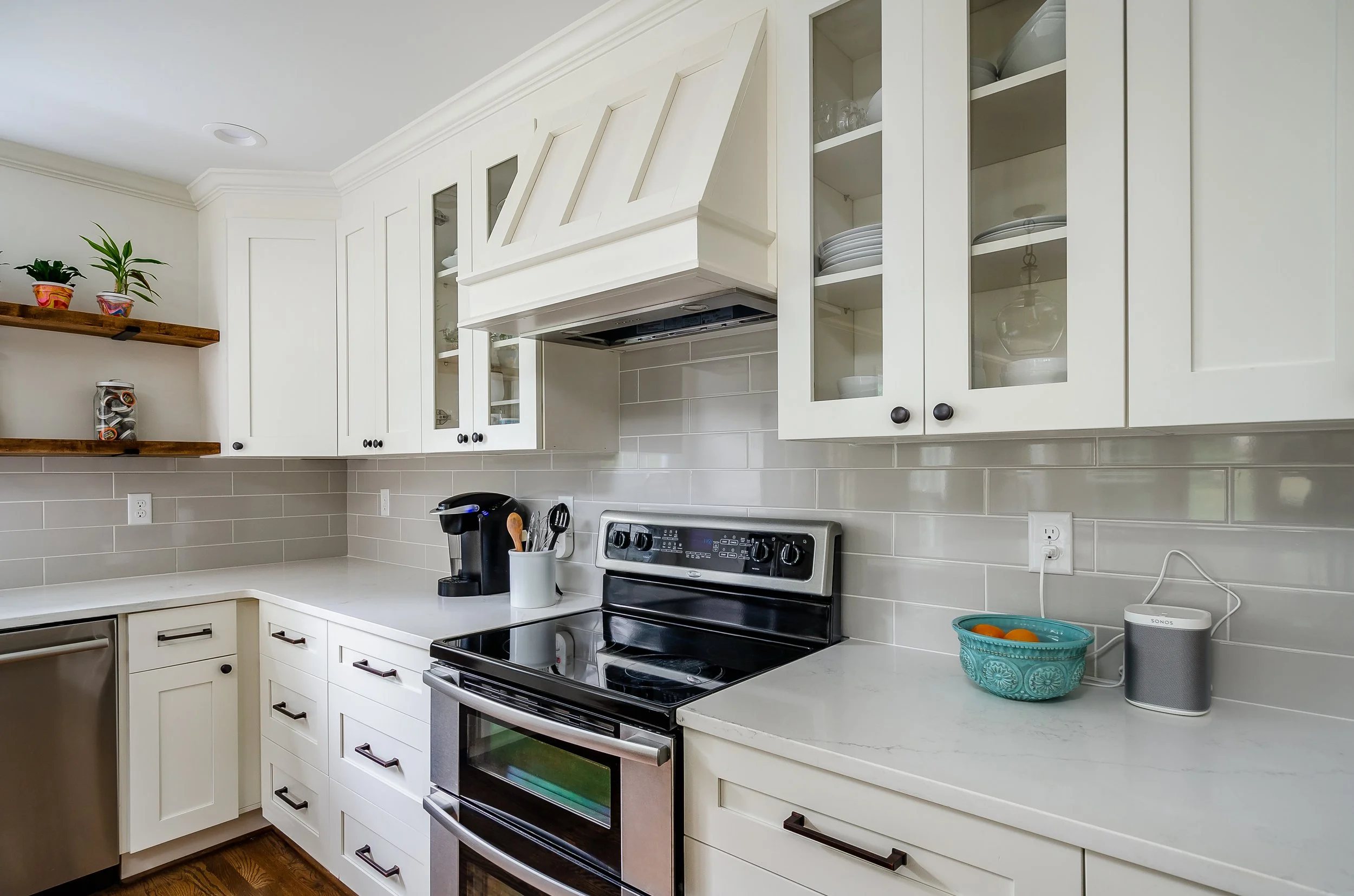
Remember the ‘china cabinet’? It was probably the only piece of furniture in the house with glass front doors, intended to show off grandma’s china dinnerware and crystal wineglasses. You usually found the china cabinet in the dining room because its contents were typically used only for special occasions, those rare events when the dining room table was actually used for … dining. The china cabinet was a display case, unlike the rest of the cabinetry, which were used to hide things, not display them.
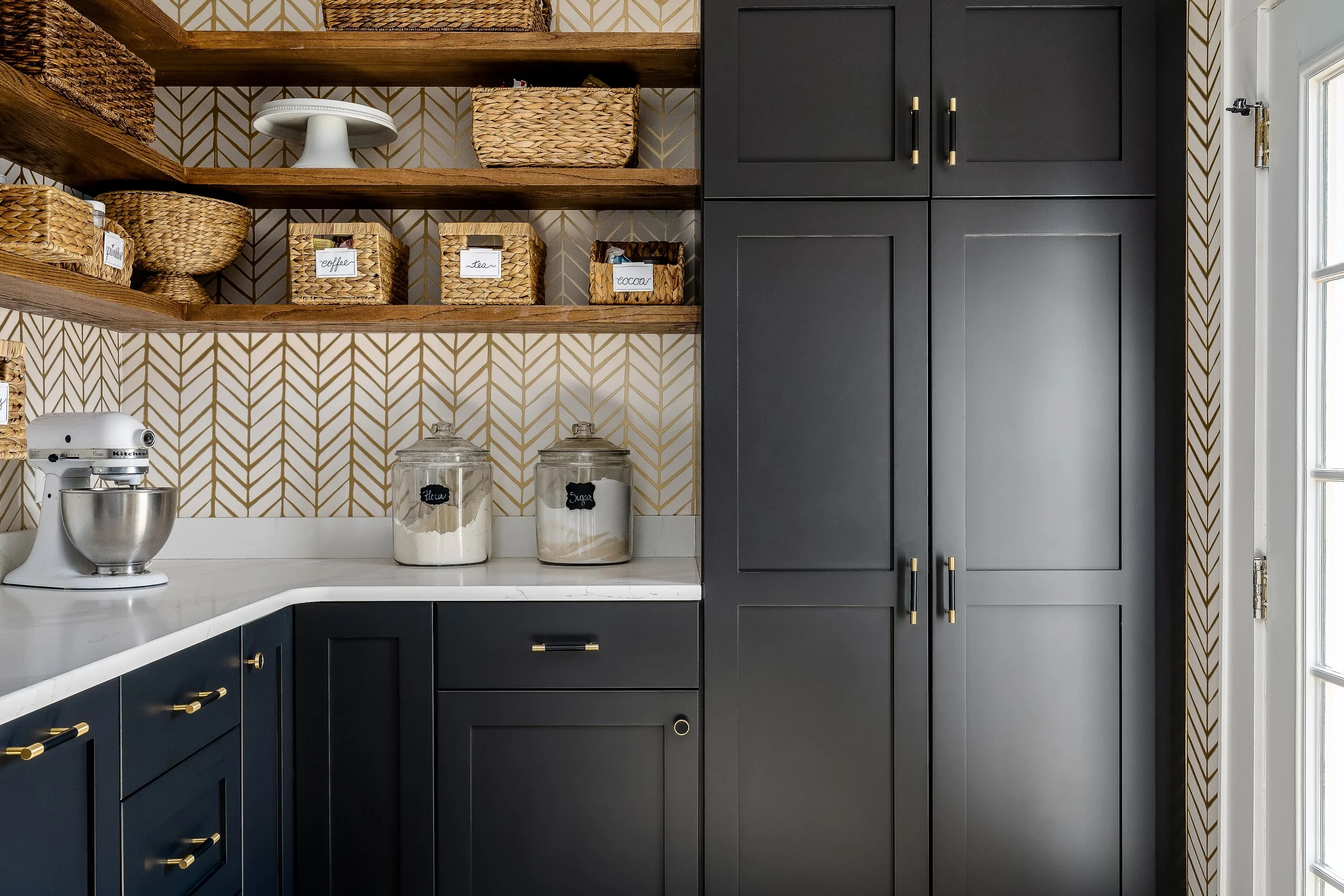
Well, times have changed. Glass-front cabinets, breadbox cabinets and floating shelves are now common components of cabinetry design. Many people find open shelves to be more convenient than closed cabinets, and the selection of dinnerware now becomes a design decision tied in with the rest of the decor. Done correctly, keeping things out in the open can be very stylish.
Whether to use glass-front cabinets or floating shelves, therefore, becomes part of the overall cabinetry and finish design in the kitchen. Should the open shelves match the cabinets, or complement them with a different color or finish? Do you want plate grooves in the shelving to fully display your dinner plates, or will you stack them for ease of access? If you really want to highlight items on the open shelves or behind the glass-front doors, let’s add integral LED accent lighting or LED strip back-lighting.

The options are, as usual, almost limitless. But the design process requires thinking ahead and determining just what you plan on displaying on the shelves or behind the glass-front cabinet doors. This means more than just your day-to-day dishware; it also means considering your seasonal accents and decorations - the autumn gourds and Christmas nutcrackers that will take their place ‘out in the open.’ We at Designed for Downtown and our sister AJH companies help you think forward to how everything is going to look once the demolition and construction are finished.