Product Review - Worthen Custom Iron & Brass Furniture

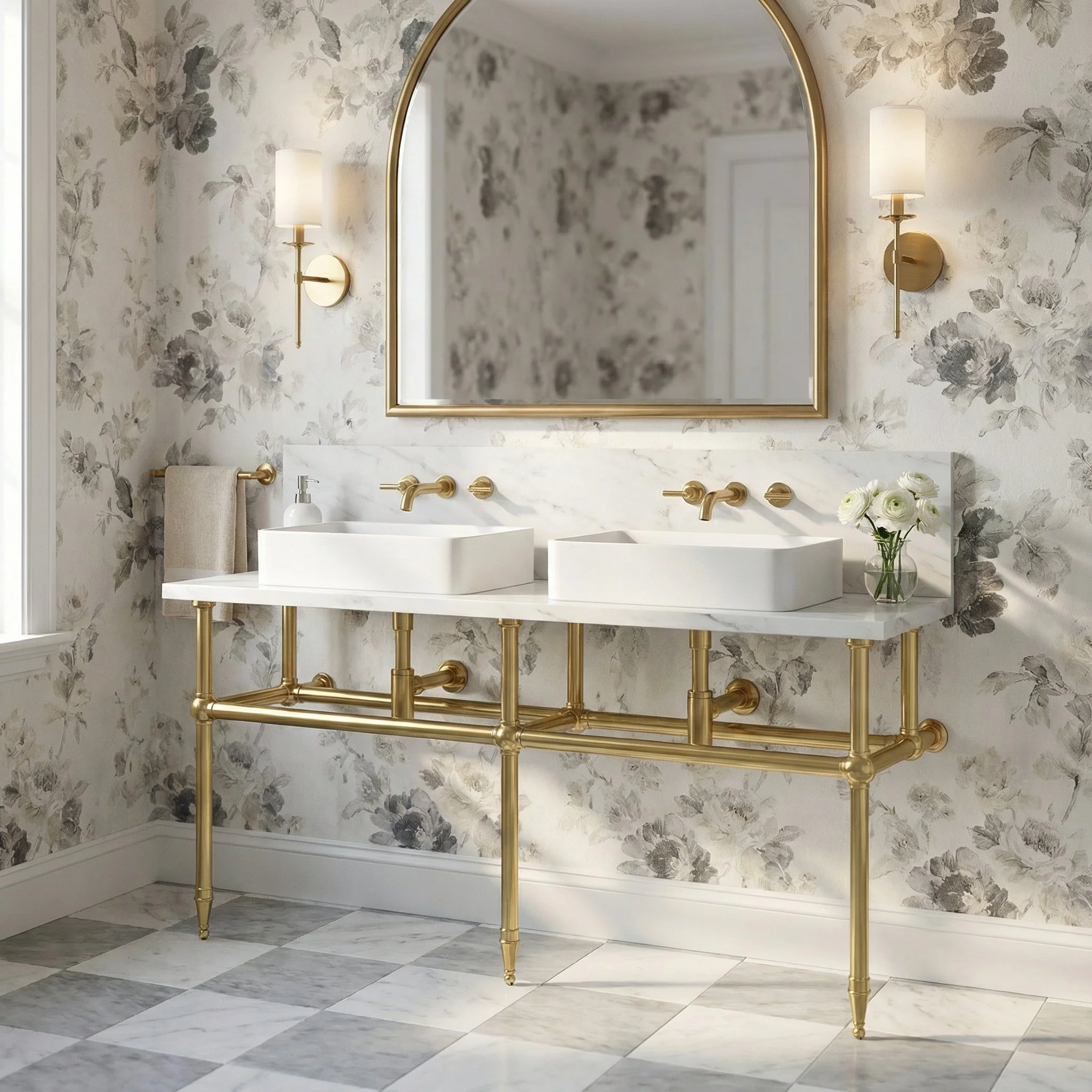
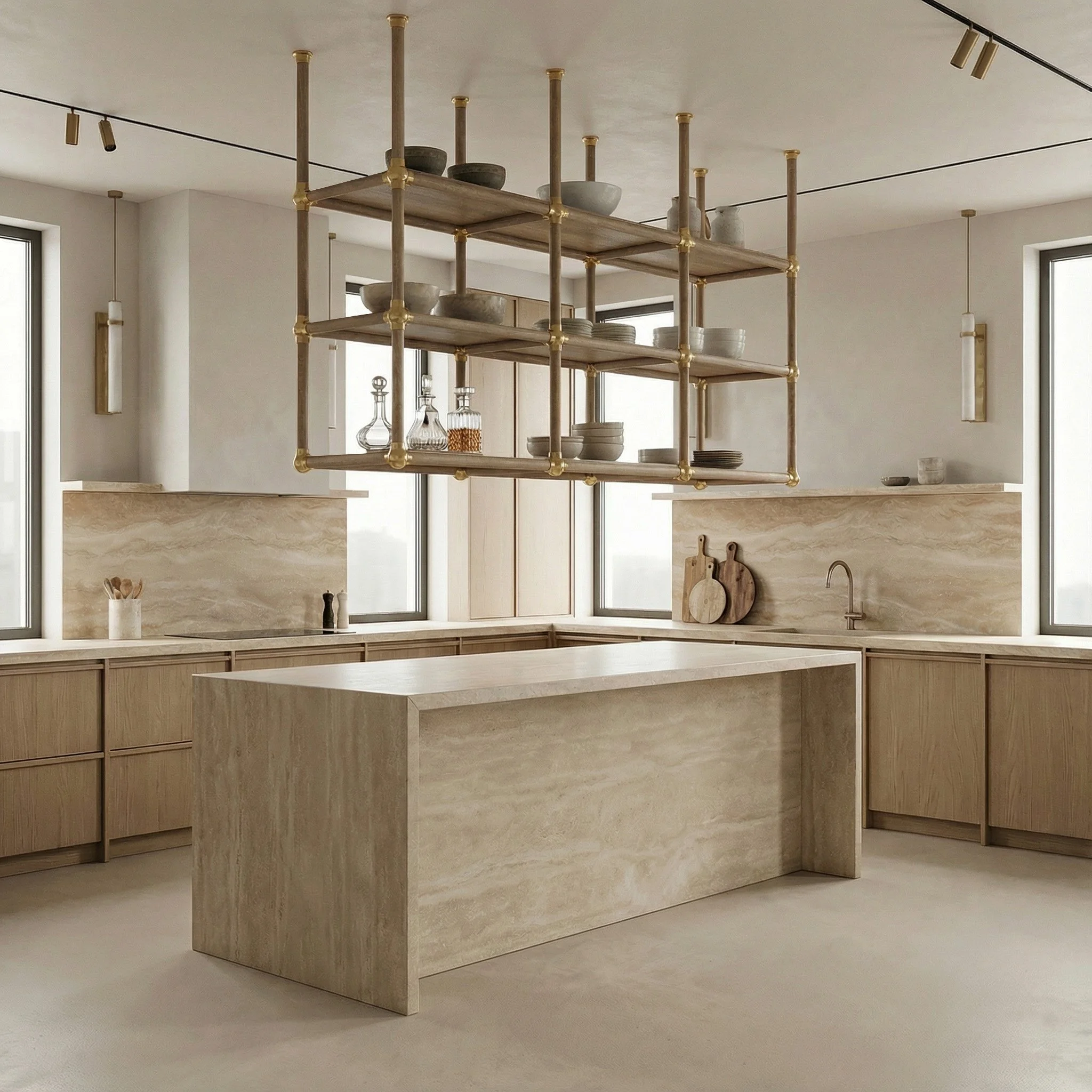
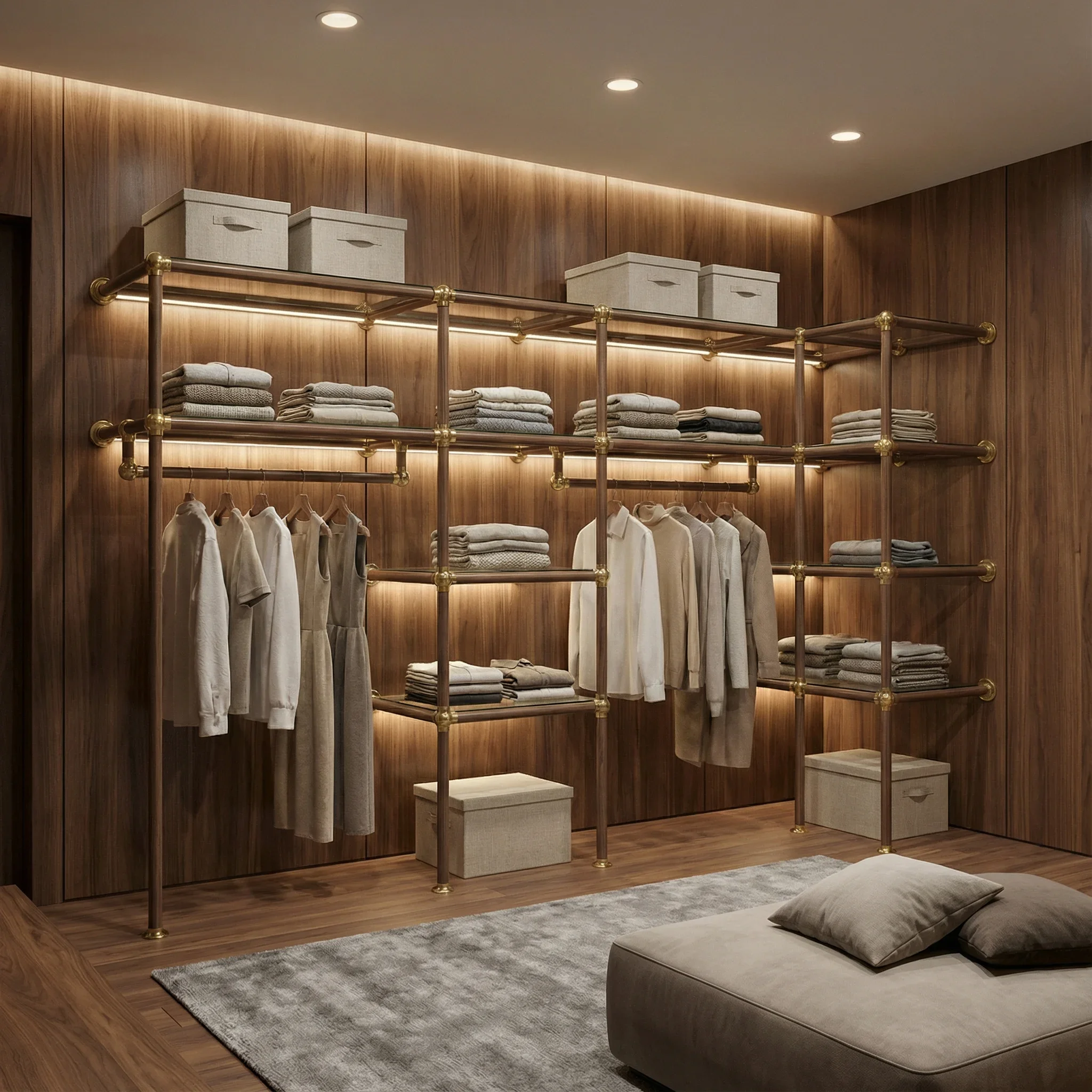
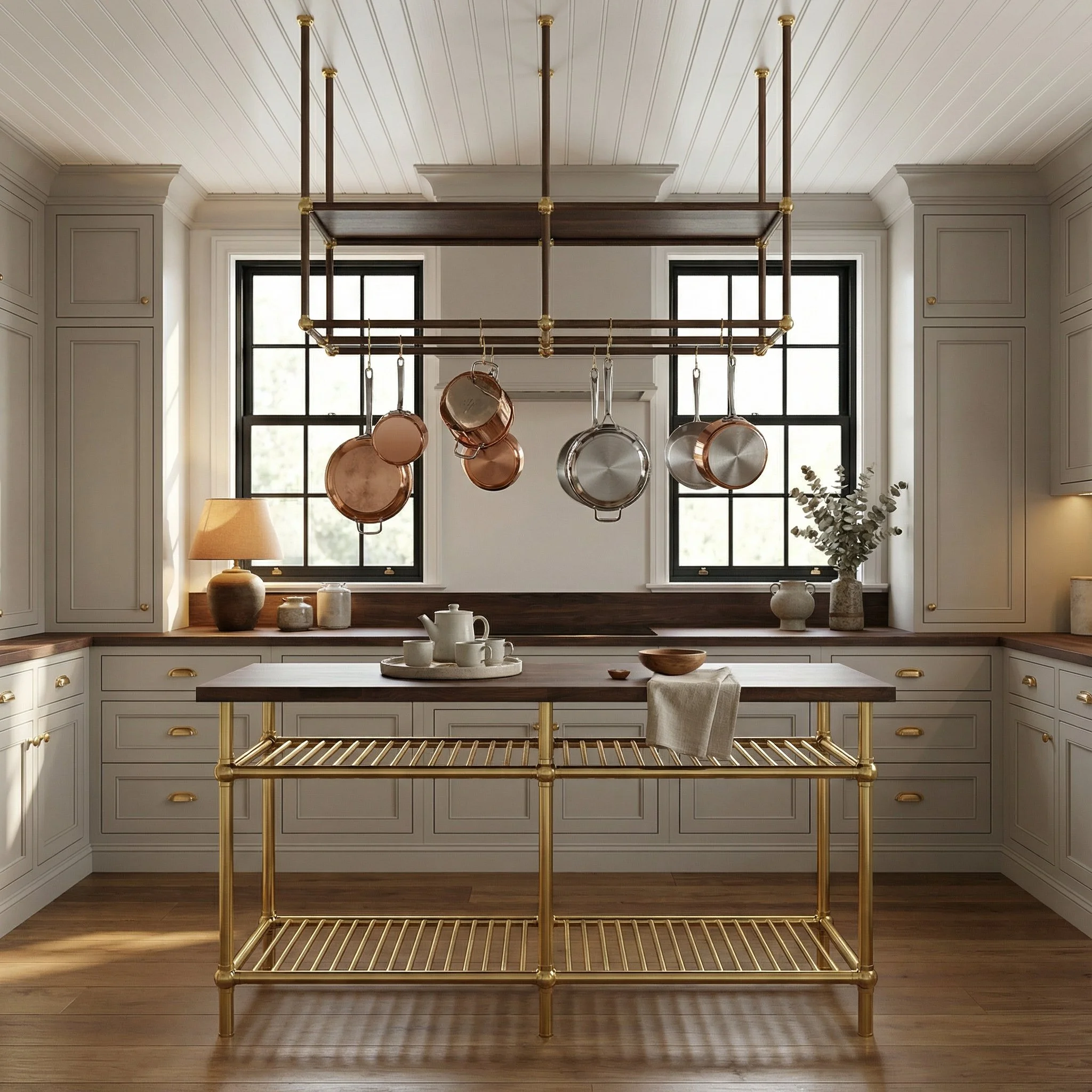
Images via Worthen Custom Brass & Iron Furniture

Why we love them: They bring a unique, American-made finish to your home, an eye catching centerpiece that will impress both guests and future buyers. 

You might not guess it by looking at one of their products, but Worthen Furniture has only been around for about fifty years! They got their start in 1975, in Richmond Virginia, which has been their center of operations ever since. Fifty years ago, they began to make cast iron and brass beds in antique styles that were going extinct. Their products not only paid homage to the antique beds that inspired the company founders, but also improved on their quality. Ever since 1975, all Worthen products have been made in the US, right in Richmond. The products are subject to intense quality control, and they are designed to use sturdy dovetail joints and other historic techniques instead of fiddly bolts. 

Eventually Worthen branched out from beds to tackle other custom furniture. They still make antique-style brass beds, but now also make custom furniture, from desks, and coffee tables to vanities and benches. Even more than their furniture line, however, they have become experts in open shelving, for use in closets, kitchens, and beyond!

Their expertise is best showcased in their Taboret shelving system.  Designed as open frameworks of brass pipe, with intricate connections and a multitude of available finishes, these shelves may just steal the show from their contents! In fact, the combination of brass framing around glass or wooden shelves perfectly frames them as the centerpiece of your home. The system can be adapted to nearly any space since it can be mounted from the ceiling, the wall, or even cantilevered! Whether the system is an elaborate surround for a wet bar or a simpler pot rack, it and its contents are sure to catch the eye! 

With so much history and heritage, it is not surprising that Worthen products bring instant distinction to a room. Their weight and impressive  style is truly something to marvel at! Explore more of their artistry here.

Deborah HartmanComment
“Won’t You Be My Neighbor?”

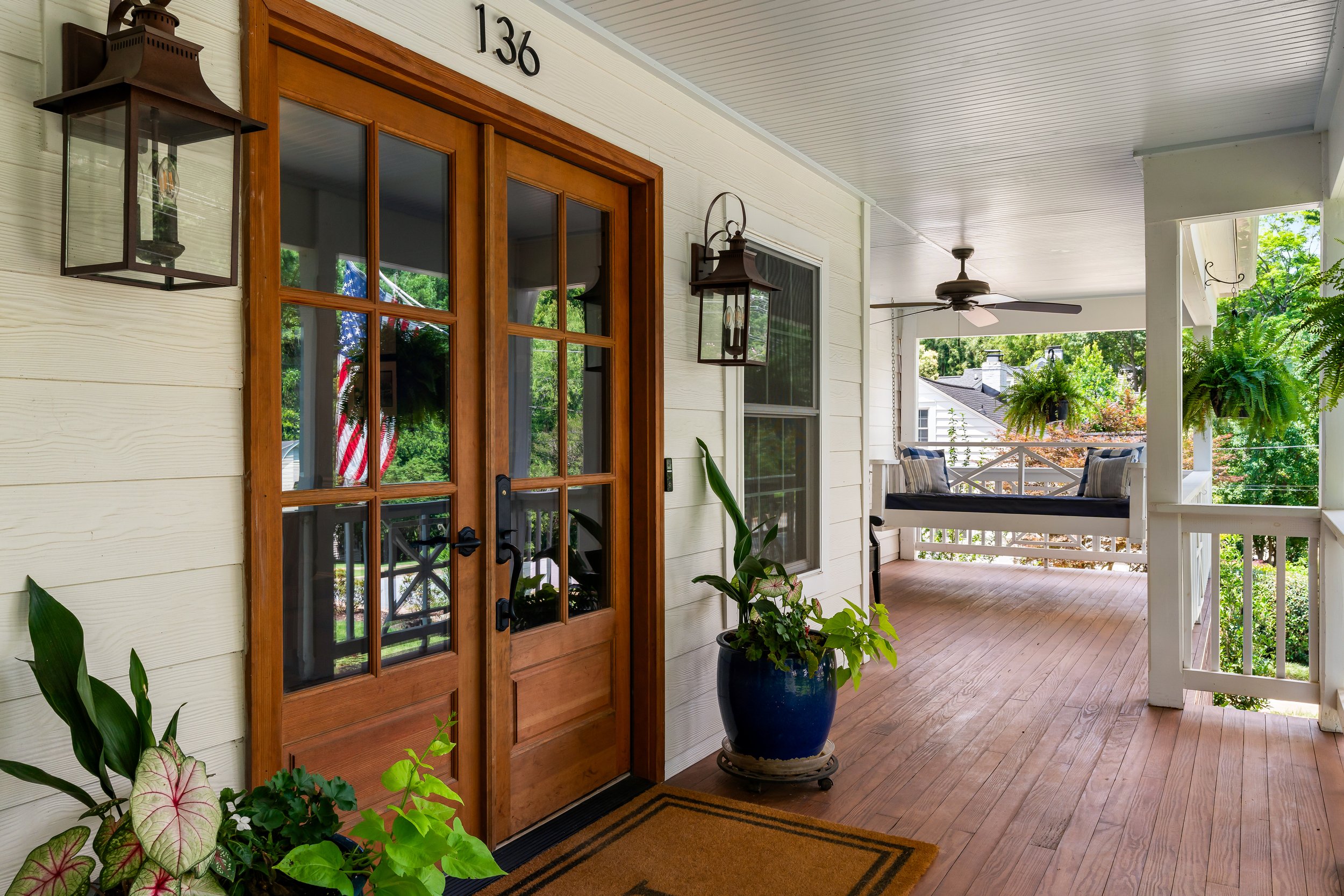
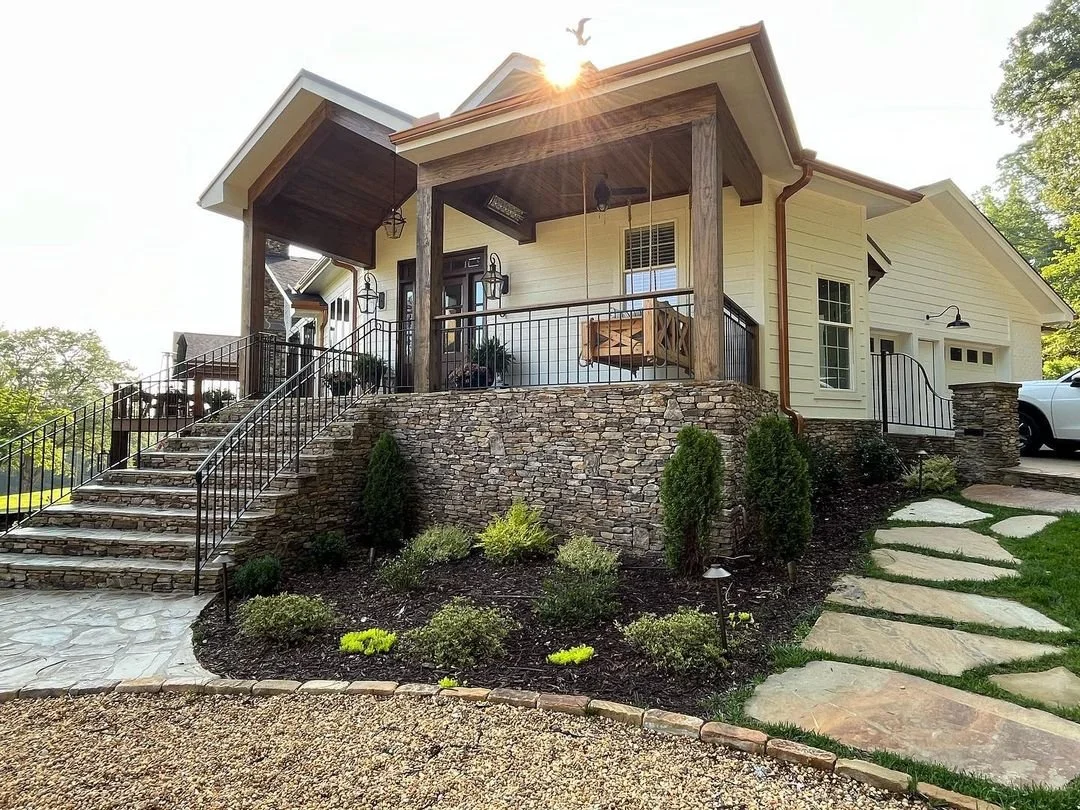
The famous introduction by Mr. Rogers is truly a throwback to a bygone era– the era of the Boomers, who are now swelling the ranks of the retired. The idea of 'neighbor' has changed over the past half century; it is hard to say what the word really means today. With automatic garage door openers and stockade privacy fences, most of us are hermetically-sealed from our physical neighbors. But back in Mr. Roger's day there was the most common and neighborly of architectural features designed into just about every home: the front porch. During the evening folks would walk the neighborhood streets while the children played 'Kick the Can' or (later, after the sun went down) 'Ghost in the Graveyard.' Neighbors would pause their stroll to talk with other neighbors sitting on their front porches, keeping an inattentive eye on the youngsters, who were sometimes the topic of the conversation (you couldn't get away with much in those days; everyone knew everyone, and there was always the front porch forum).

Front porches were not always a thing, but there seemed to be a time in our society's architectural development, roughly corresponding to the Boomer Generation, when the porch stoop was replaced by a long, deep covered front porch with seating for the Greatest Generation. My memory is of a long deacons' bench where my parents sat and talked with my friends' parents while we wrought mayhem around the neighborhood. Forgotten times, and forgotten porches. But they are making a comeback, and we at Designed for Downtown, LLC applaud the resurgence.

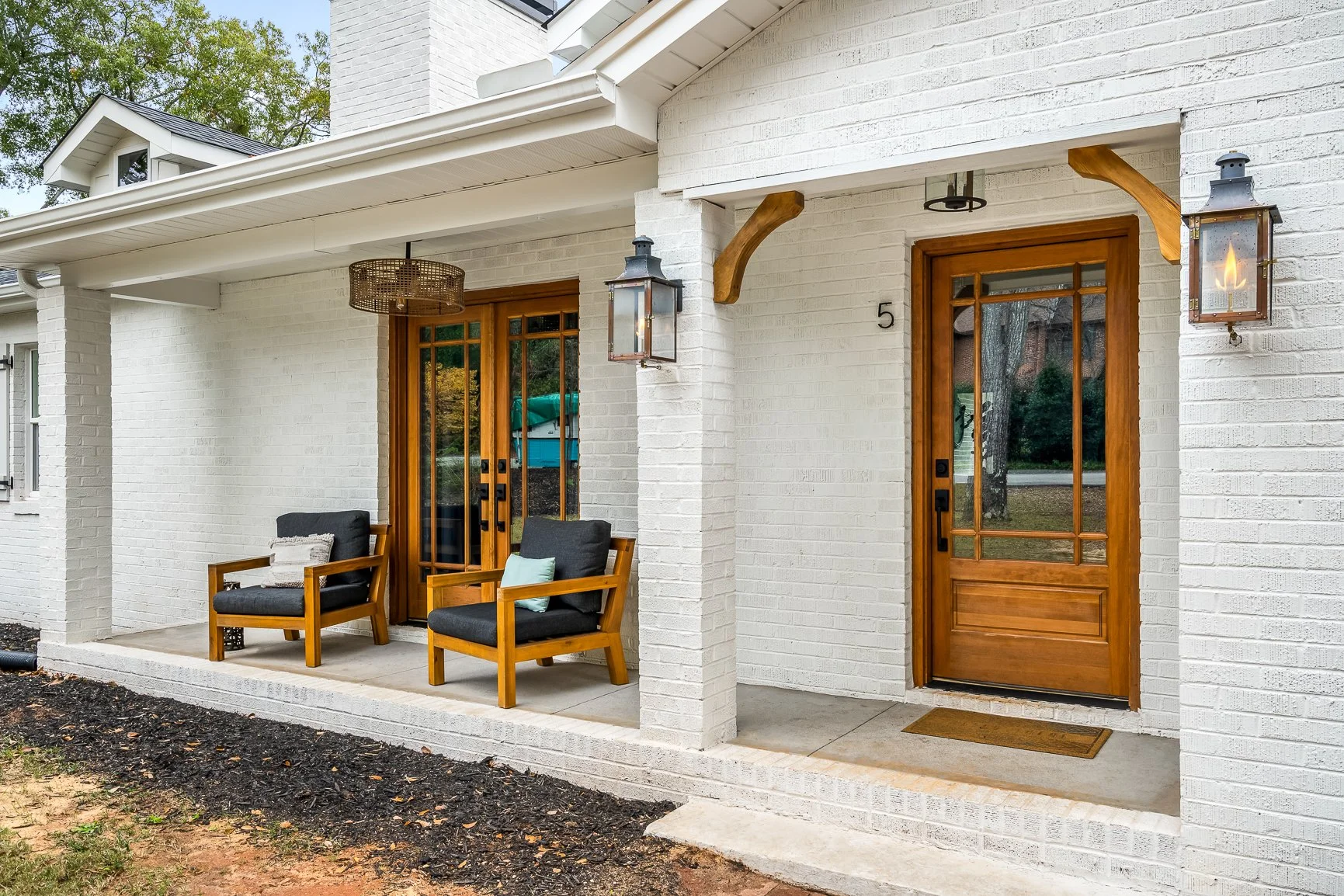
Of all the architectural features that go into the design of a new home, nothing says 'neighbor' like a usable front porch. There are several design options that can be drawn from America's architectural past: the deep, square Craftsman or the mid-century Long Porch to name just two. An open patio to the side of the entry is also very welcoming to guests, especially neighbors who just stop by to have a chat. We at Designed for Downtown, LLC love the social history of our country's architecture and love being able to bring back the welcoming front porch. Give us a call today to start the conversation about how to make your home more neighborly.

Deborah HartmanComment
Product Review - Navien Water Heaters

Why we love them? Navien removes stress by providing endless hot water while saving on utilities!

As new home builders, we strive to give our clients the best of the best! That means we’re always on the lookout for the most effective and efficient systems for our home builds. We know even the nicest tile shower won’t look so nice if the water is cold, so we recommend Navien’s high efficiency tankless water heaters to keep your water hot all day long!

Navien’s tankless water heaters are small, wall mounted units that burn natural gas or propane to heat water on demand. They don’t need a bulky storage tank, so they help save space in your garage or utility room! Going tankless also helps reduce energy demand! Navien water heaters don’t consume any energy unless hot water is being drawn, making them the most energy efficient water heater on the market! With a Uniform Energy Factor as low as 0.80-0.96, Navien water heaters burn less fuel to heat as much water as a conventional gas heater.

If neither natural gas or liquid propane are an option for your home, Navien also makes top-of-the-line heat pump water heaters. These hybrid models pair the speed of electric coils with the efficiency of a heat pump. Although it is based on a traditional tank setup, the system can switch between the heat pump and the electric heater to heat your water efficiently but also provide hot water quickly when you need it!

Navien’s water heaters are also built for longevity. With durable stainless steel heat exchangers, they are built to last at least 20 years. They are also built to withstand even the hardest of hard water, requiring only periodic descaling to keep them functioning efficiently. When we spec a Navien water heater, we know our clients can rely on it for decades of efficient hot water.

Explore how Navien has reinvented water heaters on their website!

Deborah HartmanComment
Timeless Style

So many fads have come and gone in the renovation industry — travertine tile, jetted jacuzzi tubs, fuzzy wallpaper (that goes a long way back) — that it is a constant challenge to design something for our clients that will stand the test of time. There are, of course, timeless styles and finishes, but these are often wholly incorporated into the style of the house - like Colonial, for instance, or Mid-Century Farmhouse.

Avoiding faddish finishes and materials is more of a challenge when the home itself is already eclectic, not belonging entirely to any specific architectural style. We recently had the opportunity to complete just such a challenge with a newly designed footbridge by Tindall Architectural Workshop (TAW). The mountain home had a seriously dated (and seriously deteriorated), heavy timber and stone access footbridge that looked so tired. The house itself is mid-century modern, and the lines are clean and sleek throughout…..except for the old footbridge.

Avoiding faddish finishes and materials is more of a challenge when the home itself is already eclectic.

TAW designed a multi-media composition bridge that mixed wood with metal with the clean and sleek lines that coordinate perfectly with the house. For longevity, Ipe tropical wood was used for the deck boards; for openness, stainless steel cable railing was used for safety. The bridge cover is vaulted with clear coated alder pine and exposed steel beams to give the roof a forward, welcoming look accentuated by the angled support columns. Dimmable LED strip lights were installed under the railing banisters for accent lighting at night. The result is a stunning entrance that coordinates perfectly with the house itself - a footbridge now as timeless as the architecture of the house, and as durable, too.

Deborah HartmanComment